If you work in electrical, sooner or later, someone will ask, “Is this Class A or Class B?” It comes up on the job site, and it sometimes shows up on Red Seal exams. The good news is that once you understand the idea behind each class, the rest is just wiring and device behavior. This guide gives you the practical differences, how each class behaves under fault, and where each one makes sense in Canadian projects.
Unlocking the Basics: Understanding Fire Alarm Systems
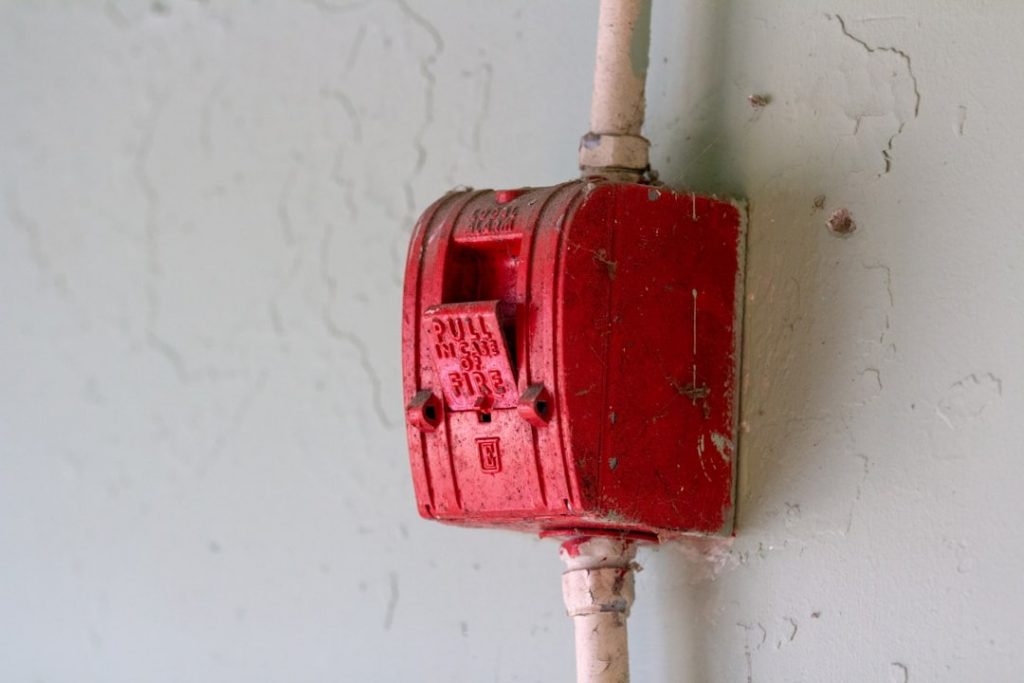
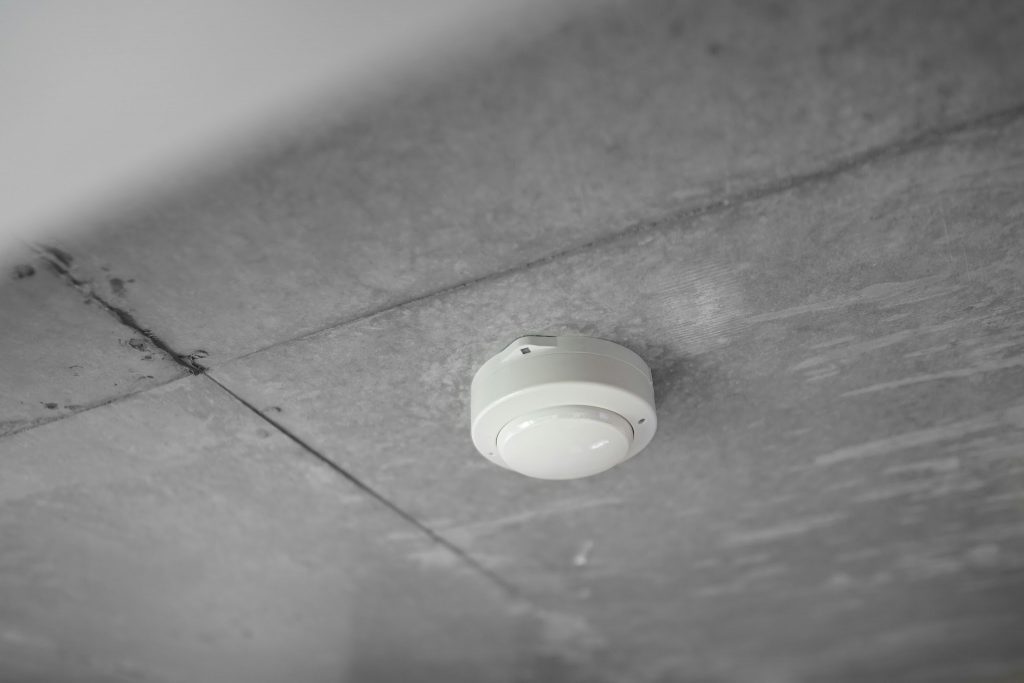
Fire alarm systems are built to do three things well: detect, decide, and notify. Initiating devices detect smoke, heat, flame, or a manual pull. The control unit decides what to do with that input based on programming. Notification devices warn people with horns, strobes, speakers, or combinations.
The wiring between those pieces is supervised for integrity. If a conductor opens, shorts to another conductor, or develops a ground fault, the system must identify the problem and report a trouble. That is where classes of wiring come in. Class A and Class B describe the performance of that pathway when a fault happens. Class A fire alarms return to the panel using a different route than they took from the panel. Class B fire alarms do not.
This means that Class A alarms are more resilient and intricate, whilst class B are more straightforward and less resilient. Class A is suitable for larger buildings, and class B is typically used for smaller dwellings.
You will see three common circuit types on drawings and on exams:
– Initiating Device Circuits for conventional detectors and pull stations.
– Signaling Line Circuits for addressable systems where devices share a data loop.
– Notification Appliance Circuits for horns, strobes, and speakers.
In Canada, installations and inspections are governed by standards such as CAN/ULC-S524 for installation and CAN/ULC-S536 for inspection and testing. NFPA 72 terminology is used widely in the industry and in textbooks. Always follow the requirements adopted by your local authority having jurisdiction.
If you are new to low voltage, a couple of hours with the basics goes a long way. Focus on supervised circuits, how end-of-line resistors work, how panels sense normal, alarm, and trouble conditions, and how to read a riser diagram.
Non-technicians like facility managers and new apprentices do not need to be programmers to understand what the system is telling them. Learn to interpret panel indicators, identify trouble, and read device labels. That alone makes you valuable on day one.
Diving Deep Into Class A Fire Alarm Systems
What makes Class A different is its ability to keep operating past a single open. A Class A circuit leaves the panel, runs through devices, and returns to the panel on a separate set of terminals. Because the signal can travel in both directions, one open conductor does not isolate devices beyond the break. The panel still shows trouble, but all devices remain in service.
Inside the wiring, you will usually see separate outgoing and return pairs landed on separate terminals. The return path is not tied together with the outgoing pair in the field. The idea is to avoid a single point of failure. The tradeoff is more cable, more home runs, and careful routing so the outgoing and return paths do not share the same vulnerability.
The redundancy in Class A is simple and powerful. If a branch gets cut, the loop feeds from the other side. On addressable loops, short circuit isolators can add even more resilience by localizing a short. That way a short takes down only the small segment between isolators rather than the entire loop.
When is Class A required? It depends on the occupancy, risk, and what your local code official mandates. Some facilities that require higher survivability, such as specific health care spaces, high-rise buildings, or voice evacuation systems, are often designed with Class A pathways. The intent is to maintain notification and detection even if a single fault occurs. Always confirm with the authority having jurisdiction and the applicable Canadian standards for your project.
Getting to Know Class B Fire Alarm Systems
Class B is the straight line approach. The circuit runs from the panel to devices and ends at an end-of-line resistor. If an open occurs, devices beyond the break are lost, and the panel reports a trouble. A direct short typically disables that entire circuit, which will also be annunciated as a trouble. The system still works on unaffected circuits.
Why is Class B so common? It uses less cable and is faster to install, especially in small or simple buildings. It is also easier to add a device near the end of a run. The tradeoff is less fault tolerance. If an open happens, part of the circuit goes down until you fix the wiring.
Face-Off: Comparing Class A and Class B Fire Alarm Systems
Circuit topologies
Class A forms a loop that returns to the panel on a separate path. Class B is a radial run that terminates at an end-of-line resistor. Both are supervised, but they respond differently to faults.
Fault tolerance and reliability
Class A survives a single open with all devices still operational, while annunciating a trouble. With isolators, a short can also be contained. Class B reports a problem for an open, but everything after the open stops communicating or sounding. A short usually drops the entire circuit, which is still reported as a trouble condition. Both classes must detect ground faults.
Performance under fault
Think it through for exam questions. On a Class A notification circuit with a wire cut midway, the strobes on both sides can still flash. On a Class B notification circuit with the same cut, everything beyond the break is silent. On an addressable Class A loop with isolators, a short between two devices disables only that small segment, while the rest of the loop continues.
Cost and installation
Class B saves on cable and labour. Class A adds cable, routing effort, and panel terminations. For large projects, the extra time and materials are noticeable, which is why you should match the class to the building’s risk and the code pathway survivability required by the governing bodies.
Picking the right system- What does the Canadian Code Say?
Provincial or national codes (like the National Building Code of Canada and Fire Code, or Canadian Electrical Code) specify system grades based on building risk and occupant evacuation capability, pushing towards Class A for higher-risk/complexity buildings.
Use Class A when the building cannot afford to lose a chunk of detection or notification due to one wiring fault, or where the Authorities Having Jurisdiction (AHJ) requires it. Use Class B where the building is smaller, the risk is lower, and the code allows it. Many addressable systems blend approaches, for example, a Class A signaling line circuit for devices and Class B notification circuits where permitted, to balance cost and resilience.
Fire Alarm Circuits and Devices: Tips and FAQs
Initiating Device Circuits
Conventional initiating circuits are supervised for normal, alarm, and trouble using a known resistance. Addressable systems move the logic to the device, and the panel supervises the data loop. Either way, the goal is the same: detect changes quickly and report them clearly.
Notification Appliance Circuits
Notification circuits power horns, strobes, and sometimes speakers. Voltage drop matters, so work out wire size and loading before you pull cable. On speaker systems, you will also have amplifiers, speaker circuits, and coverage requirements. The key question is always the same: will people in the space hear or see the alarm when they need to.
Wiring and device integration
Stay within the compatibility listings of the control unit. Match devices, modules, and power supplies that are listed to work together. In Canada, make sure equipment is listed to the appropriate CAN/ULC standards and installed to CAN/ULC-S524. This avoids nuisance troubles and failed inspections.
The role of speakers, horns, and strobes
Horns and strobes are standard in smaller buildings. Large or complex facilities often use speakers to deliver clear voice instructions. Placement, candela, and decibel levels are not guesswork. Follow the design and verify performance during testing so occupants can hear and see the alarm.
Understanding NFPA 72 vs CAN/ULC-S524
Even in Canadian projects, NFPA 72 language is widely understood. It defines how pathways should behave under faults and how systems report them. Use it as a technical reference, but install and verify to the Canadian standards, more specifically the CAN/ULC-S524.
Why the end-of-line resistor matters
The end-of-line resistor proves the integrity of a Class B circuit by presenting a known value at the end. If a wire opens, the panel no longer sees that value and signals a trouble. If a conductor shorts, the panel sees too little resistance and also signals a trouble. In short, the resistor allows the panel to know that the wire path is still intact all the way to the end.
Your Go-To Support Hub
Have questions about Class A versus Class B that keep showing up on practice exams? Ask us. Want a quick path to the must-know formulas, symbols, and terms? We have you covered. Need links to standards, device datasheets, and study tips? We can point you in the right direction.